


Environmental
Caring for every destination in which we operate. We strive to minimize environmental impacts and protect natural resources to ensure their abundance for future generations.

We promote energy and water efficiency, reduce waste, and systematically manage greenhouse gas emissions, while prioritizing environmentally responsible materials and partners across our value chain.
We continuously enhance our environmental performance through the adoption of technologies and innovations, climate risk assessments, and collaboration with stakeholders. Through these efforts, we aim to protect ecosystems, strengthen organizational resilience, and create long-term value for society and the environment.
Stakeholders Directly Impacted


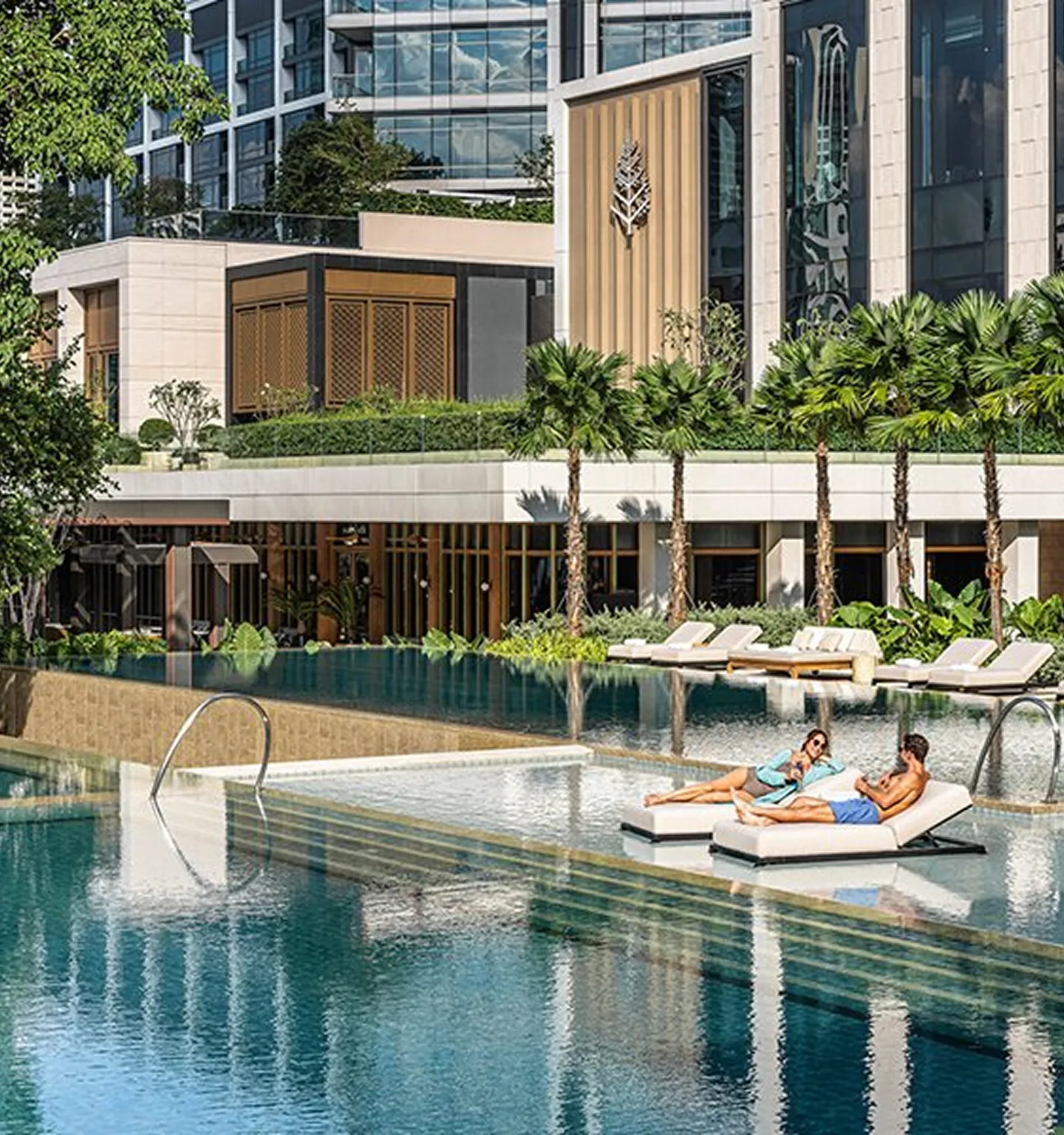
Challenges and Opportunities
Bound and Beyond strives to lead in Luxury Lifestyle Hospitality, recognizing that destination quality is fundamental to the experiences we create.
As hotel and restaurant operations are inherently resource-intensive, a key challenge is reducing environmental impact while maintaining service excellence amid climate risks, resource cost volatility, and rising sustainability expectations.
At the same time, these challenges present opportunities to enhance efficiency and competitive advantage through smart technologies, environmentally responsible operations, and nature-sensitive project design. These efforts strengthen long-term resilience, optimize costs, and create sustainable value for stakeholders.
Climate Change Management


Goals
Management Approach and Value Creation
Our Approach
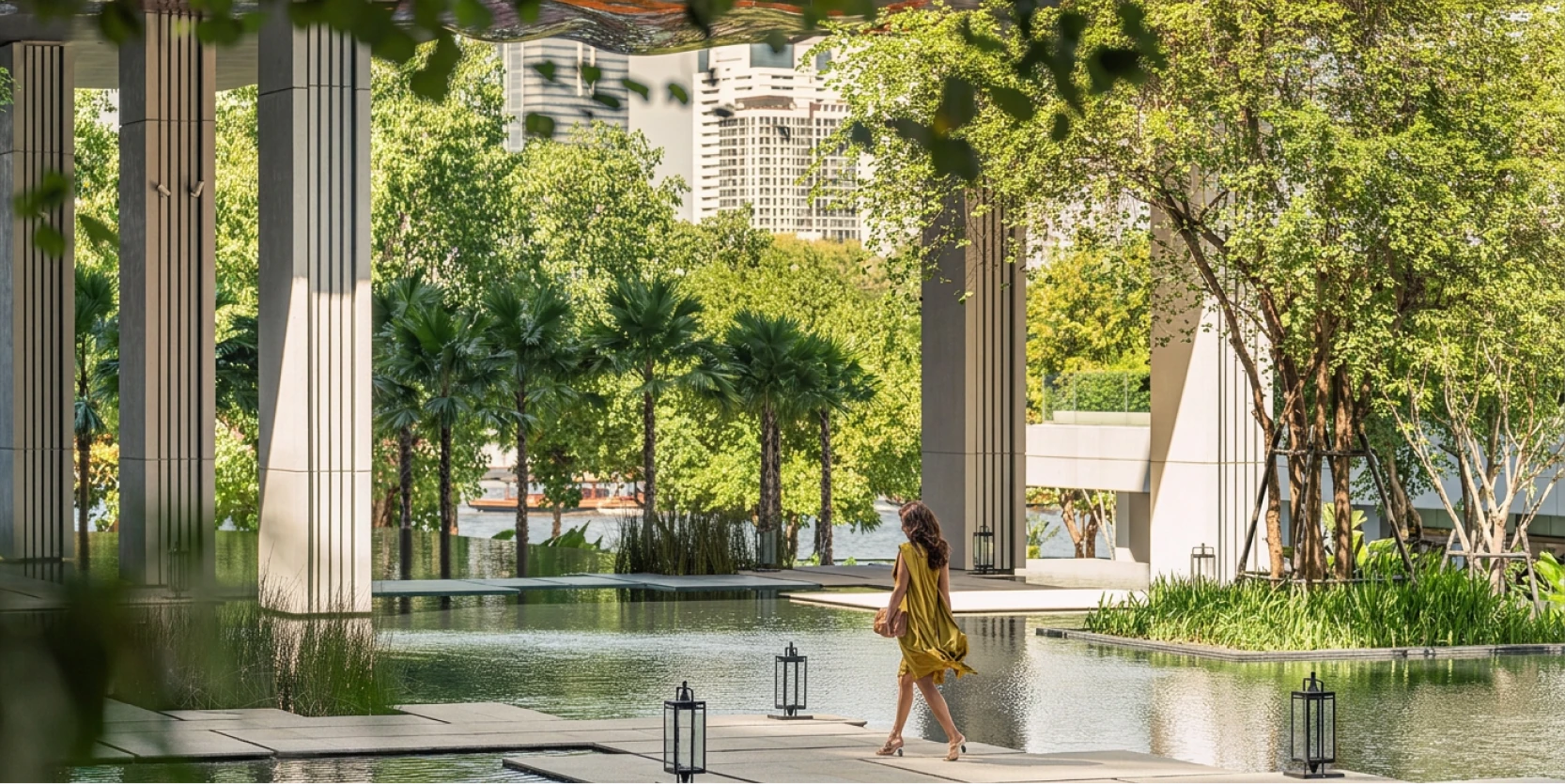
The Board of Directors oversees climate change as a strategic risk and integrates it into the Company’s Enterprise Risk Management (ERM) framework to ensure that strategic planning, resource allocation, and business decisions align with long-term sustainability objectives.
The Company assesses both physical risks and transition risks associated with the shift toward a low-carbon economy and establishes systematic mitigation measures. Operationally, the Company focuses on improving energy and resource efficiency, enhancing greenhouse gas data systems across all business units, and exploring renewable energy and low-carbon technologies to strengthen business resilience, mitigate long-term risks, and preserve the quality of destinations as the foundation of its Luxury Lifestyle Hospitality business.
Value Creation
This approach helps mitigate risks arising from energy cost volatility and evolving environmental regulations while strengthening the resilience of assets and operations over the long term. It also safeguards destination quality—central to the Luxury Lifestyle Hospitality experience—while building trust among customers, investors, and stakeholders, and creating shared value for communities and the environment in a sustainable manner.
Greenhouse Gas Emissions


Goals
Performance Highlights 2025
Management Approach and Value Creation
Our Approach
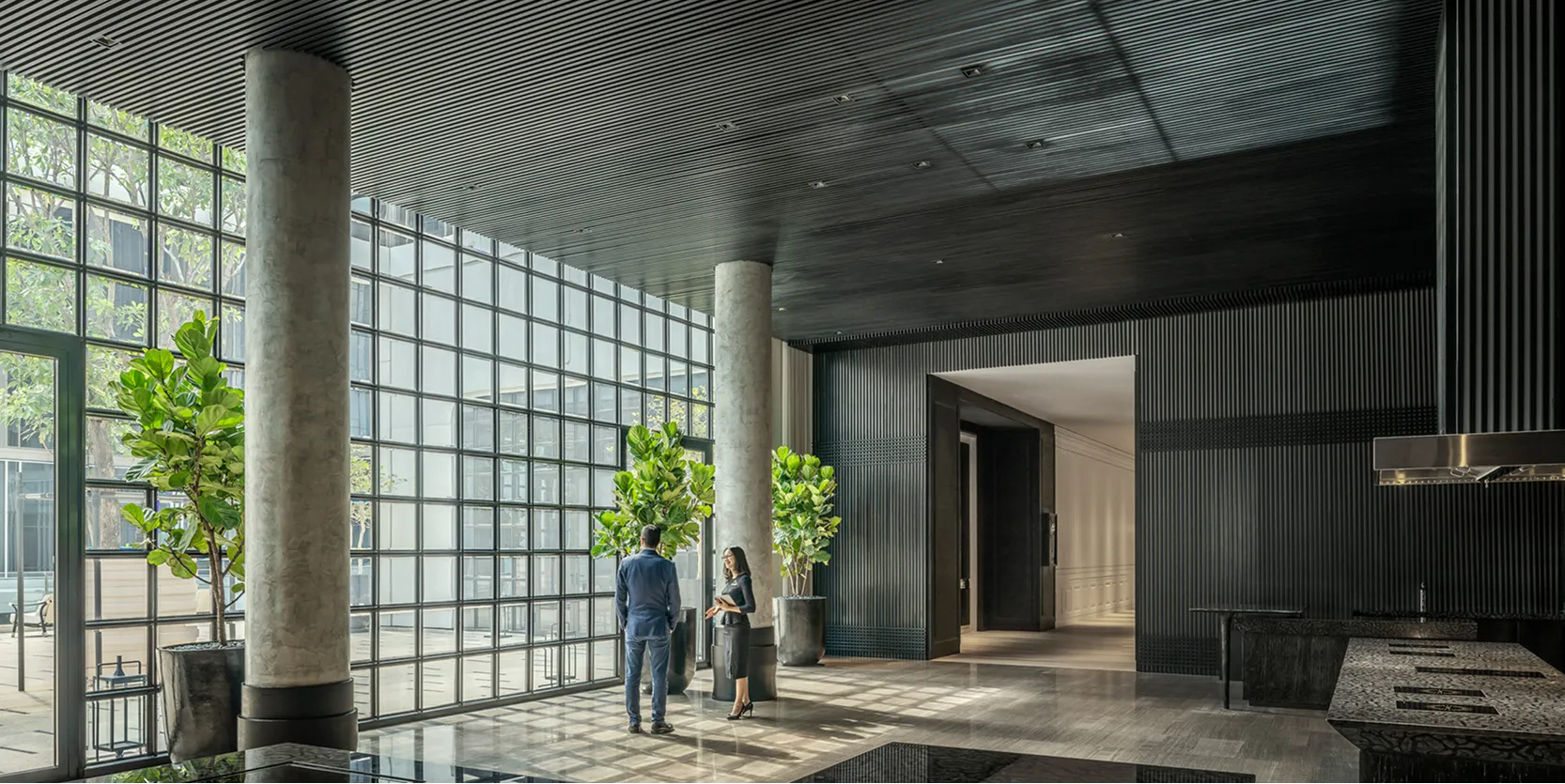
We manage greenhouse gas emissions through an integrated approach focused on energy efficiency, building optimization, responsible waste management, and continuous monitoring. Our hotel operations use automated systems to collect energy, water, and waste data, ensuring accuracy and supporting performance analysis in line with international standards.
Key initiatives include Smart Energy Management Systems, cooling system optimization, waste-to-resource programs, and enhanced recycling. Energy and GHG performance are linked to hotel management evaluations to reinforce accountability and continuous improvement.
Value Creation
Reducing greenhouse gas emissions lowers operating costs, strengthens asset resilience, and supports compliance with environmental regulations and rising investor expectations. This approach reinforces the Company’s leadership in responsible Luxury Lifestyle Hospitality while contributing to Thailand’s climate action efforts.
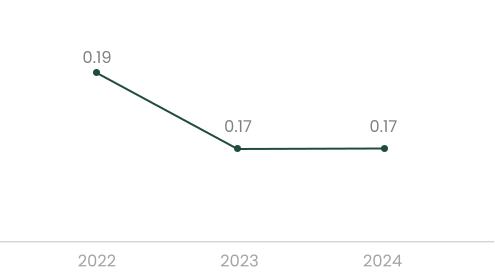
Direct and Indirect Greenhouse Gas Emissions (Scope 1 & Scope 2) per Guest Night
(Unit: tonnes of carbon dioxide equivalent, tCO2e/Guest Night)
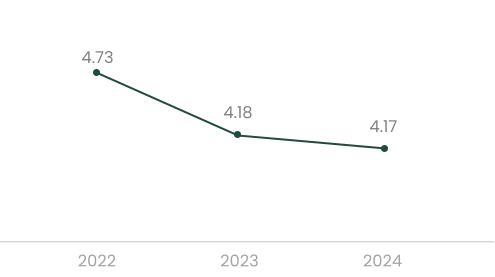
Direct and Indirect Greenhouse Gas Emissions (Scope 1 & Scope 2) per Revenue from Operations
(Unit: tonnes of carbon dioxide equivalent, tCO2e/Revenue)
Energy Management
Goals
Performance Highlights 2025
Management Approach and Value Creation
Our Approach
The Company manages energy efficiency in alignment with international standards such as EarthCheck and Green Hotel, aiming to reduce energy consumption while maintaining luxury comfort standards. Hotel operations are equipped with Smart Energy Management Systems to monitor real-time energy use, upgrade to energy-efficient equipment, and optimize cooling systems. The Green Room initiative also encourages guests to participate voluntarily in responsible resource use.
An Energy and Environment Committee has been established to continuously monitor and enhance energy-saving measures. The Company also supports the installation of EV charging stations at both hotels and integrates energy performance data into its risk management framework and greenhouse gas reduction plans to strengthen resilience and optimize long-term costs.
Value Creation
Effective energy management reduces operating costs and greenhouse gas emissions while strengthening long-term asset resilience. These efforts support the delivery of luxury guest experiences alongside the creation of sustainable economic and environmental value for stakeholders.
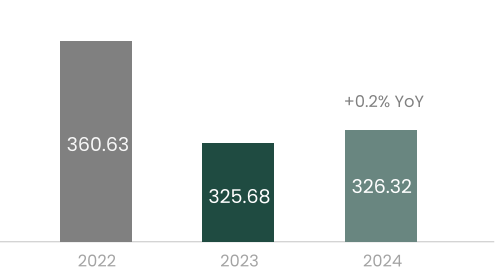
Total Energy Consumption (Electricity and Fuel)
(Unit: kWh / Guest Night)
Water Management

Goals
Performance Highlights 2025
Management Approach and Value Creation
Our Approach
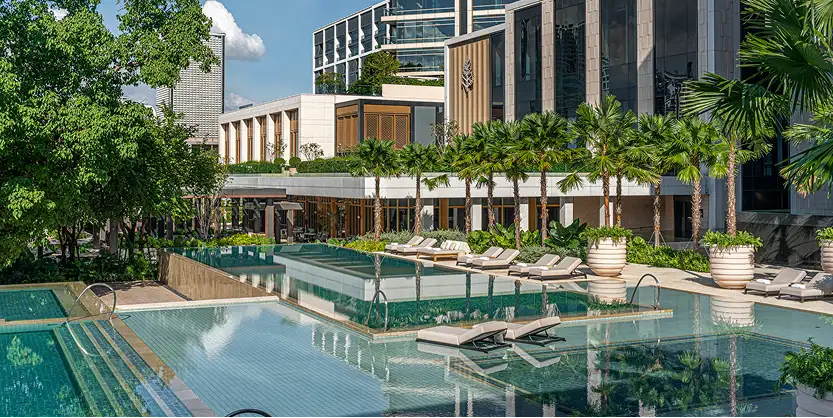
Water management is a key priority for hotel and restaurant operations due to high consumption across core activities. The Company sets annual reduction targets and implements water-efficient fixtures, leak detection systems, water recycling, and high-efficiency irrigation without compromising service quality. Guest participation is encouraged through voluntary linen and towel reuse programs.
Treated water is reused for appropriate purposes such as landscaping and exterior cleaning. The Company also collaborates with technology partners to enhance water efficiency in cooling systems, boilers, and laundry operations, while incorporating water-efficient design in new developments to strengthen long-term water resilience.
Value Creation
Responsible water management reduces operating costs, enhances long-term resource security, and protects surrounding ecosystems. These efforts support sustainable asset performance while aligning guest experiences with responsible tourism principles.
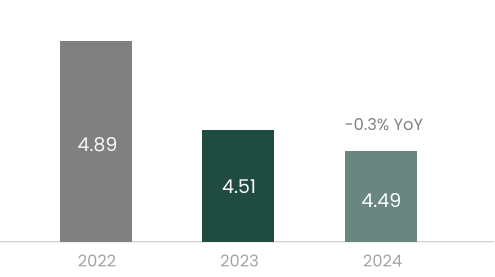
Water Consumption
(Unit: cubic meters/Guest Night)
Waste & Wastewater Management
Goals
Performance Highlights 2025
Management Approach and Value Creation
Our Approach
The Company manages waste and wastewater systematically across hotel operations, focusing on waste reduction at source through responsible procurement, environmentally friendly material selection, and food waste analysis to improve kitchen and restaurant efficiency. Initiatives include waste segregation, recycling, composting, organic waste recovery, surplus food donation programs, and the reduction of single-use plastics through sustainable alternatives such as glass bottles, biodegradable materials, and FSC-certified paper.
Wastewater is treated in accordance with international standards, with treated water reused for appropriate purposes such as landscaping and exterior cleaning. Technology is utilized to monitor waste and water data, supporting informed decision-making and continuous improvement, alongside employee and guest engagement to promote responsible resource use.
Value Creation
Effective waste and wastewater management reduces operating costs, minimizes environmental impact, and strengthens the long-term sustainability of hotel operations. These efforts support environmentally responsible guest experiences while contributing to healthier ecosystems and surrounding communities.
Waste Reused / Recycled
(Unit: Kilogram)
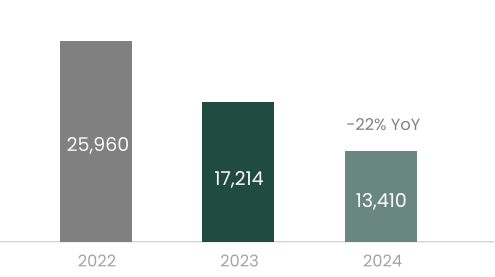
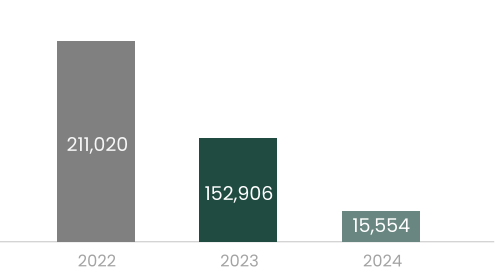
Total Waste sends to landfill
(Unit: Kilogram)
Note: Excluding Four Seasons Hotel Bangkok, where data collection is currently in progress.